Ask any HVAC technician in Asheville and you will hear the same thing: equipment almost never breaks down on a mild day. It waits for a heat wave or a hard freeze. What makes repair tricky is that very different faults look identical from the thermostat. If the system runs but cannot hold temperature, the cause could be a failing run capacitor, pitted contactor points, a refrigerant leak, a fouled flame sensor, or just a filter packed so tight that airflow collapses. If it will not start at all, look to a float switch tripped by a clogged condensate line, a dead transformer, a faulty thermostat, or a control board that no longer sequences the equipment.
Asheville HVAC approaches every repair diagnosis-first. Our experienced technicians test rather than guess: capacitors are metered for microfarads instead of eyeballed, refrigerant circuits are checked with gauges and temperature clamps for superheat and subcooling, flame sensors are tested for microamp signal, and static pressure gets measured when airflow is the suspect. That discipline matters because parts-swapping wastes your money. A hard-starting compressor, a failing capacitor, and a low-voltage short can all masquerade as the same complaint, and only one of them is actually broken. Once we pinpoint the fault, we explain what failed, why it failed, and exactly what the fix involves before any work begins.
We repair central air conditioners, heat pumps, gas and electric furnaces, air handlers, and ductless mini splits across all major brands, and our trucks arrive stocked with the parts that fail most often: capacitors, contactors, igniters, flame sensors, blower motors, and condensate pumps. That means the majority of jobs are done in one trip. If your equipment is truly at the end of its life, we will tell you honestly and walk you through replacement options instead of selling a repair that will not last. For fast HVAC repair anywhere in Asheville, call (828) 307-9793 and we will get your comfort back today.
Most of our service calls are for AC Repair in Asheville and Furnace Repair in Asheville. That's the place to start if you need a fix today.
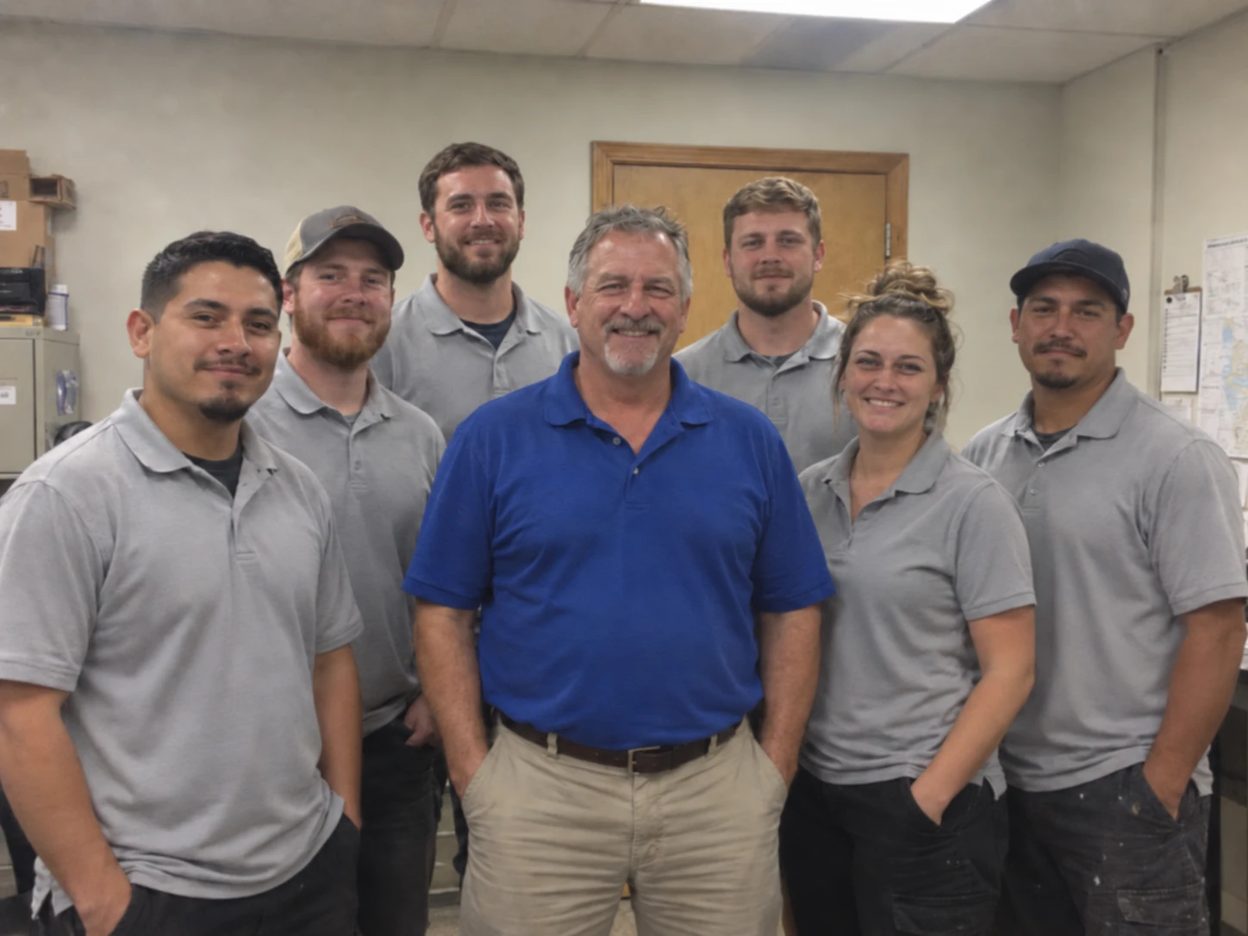
Signs You Need HVAC Repair in Asheville
Catching these issues early helps you avoid costly problems and protect your property. These are the signals our technicians see most often when a problem is underway:
- A humming outdoor unit that never kicks on
- New noises such as grinding, squealing, buzzing, or banging
- Utility bills climbing while comfort keeps falling
- Vents blowing warm when you want cool, or cool when you want heat
- Water pooling around the indoor equipment, often from a clogged condensate drain
- Barely any air coming out of the vents
- A breaker that trips whenever the system tries to run
- Frequent on-off cycling while the house never gets to the thermostat setting
Act Before It Gets Worse
Most HVAC failures start small, a weak capacitor, a squealing blower, a system that runs a little longer each week. If you notice any of these signs, contact Asheville HVAC at (828) 307-9793 for a prompt inspection.
Ready to Solve Your HVAC Repair Problem?
Call our expert team for pricing today.
Call (828) 307-9793 TodayHVAC Repair FAQ
The Benefits of Professional HVAC Repair
Start with safety. Outdoor units and air handlers are fed by 240-volt circuits, capacitors keep a painful charge long after the power is shut off, refrigerant cannot legally be handled without recovery equipment, and a gas furnace combines fuel piping, open combustion, and flue gases, where small errors lead to gas leaks or carbon monoxide exposure. Then add the diagnostic problem. A system that runs but does not cool could have a failing capacitor, a low charge, an iced-over evaporator, or simply poor airflow, and buying parts until the symptom disappears is an expensive way to find out.
A trained technician with proper test equipment gets to the answer faster and more safely than trial and error ever will. Ours check capacitors and motors with a meter, look at superheat and subcooling before anyone opens a refrigerant line, confirm flame signal before a control board is blamed, and measure static pressure when the ductwork might be the real bottleneck. You also get an honest opinion on the equipment. If your system is near the end of its service life, you will hear it from us and help you decide between repair and replacement before money changes hands.
How Our HVAC Repair Works
We follow a proven process to ensure every repair and installation is completed to the highest standards. Here's exactly how the HVAC repair process unfolds:
Diagnostic Inspection
Before anything is replaced, we measure. Capacitors, contactors, motors, safety sensors, refrigerant charge, and airflow are all tested so the repair targets the real problem, not a guess.
Clear Findings & Upfront Quote
We show you what failed, explain why it happened, and give a firm price before work begins. If the equipment itself is at the end of its life, we say so and lay out your options honestly.
Same-Visit Repair
Our stocked trucks carry the most common failure parts, so capacitors, contactors, igniters, flame sensors, and motors are usually replaced on the spot and your system runs again the same visit.
Performance Check
A repair is not finished until it is proven. We watch a complete heating or cooling cycle, measure temperature split and airflow, compare amp draws to manufacturer specs, and confirm every safety control works.
Maintenance Tips for HVAC Repair
Smart maintenance is almost always cheaper and easier than an early replacement. Put these technician-approved steps to work around your property:
- Avoid closing or covering registers; the system is designed to move air through all of them
- Schedule professional maintenance twice a year, before cooling season and before heating season
- During heat waves and cold snaps, set the thermostat a few degrees closer to the outdoor temperature to ease the load
- Swap in a fresh filter every one to three months; a clogged one starves the whole system of air
- Take new noises seriously; a squealing motor bearing is far cheaper before it seizes
- Give the condenser room to breathe by keeping plants, leaves, and clippings away from it
- Flush the condensate drain line each spring before algae can clog it and trip the float switch
DIY vs. Professional HVAC Repair
A homeowner can swap a filter with ease, but diagnosing capacitors, refrigerant charge, control boards, and error codes calls for the equipment and know-how only a pro brings. Consider the following comparison:
| Factor | DIY Attempt | Professional Service |
|---|---|---|
| Finding the Fault | Trial-and-error part swapping | Meters and gauges pinpoint the actual fault |
| Shock Hazard | Exposure to 240V power and charged capacitors | Circuits verified de-energized, capacitors discharged |
| Refrigerant | Guesswork without gauges or recovery tools | Superheat and subcooling confirm the charge |
| Gas & Combustion | Gas leaks and venting issues missed | Gas pressure, flame signal, and draft tested |
| Hidden Issues | Only the obvious symptom gets attention | Full system checked while we are there |
| Outcome | Temporary fix, same root cause | Real fault repaired and tested |
Talk to a HVAC Repair Expert
Every day you wait puts more strain on a struggling unit. Get Asheville HVAC on the job today.
Call (828) 307-9793 NowHVAC Repair Across the Asheville Area
Wherever you are in the area, the same experienced team handles your HVAC repair. Find your community below.